An off-the-rack wedding dress has no single fixed cost in 2026: your total depends on the gown you choose and the alterations it needs. Budget for the finished fit, not just the dress tag, and confirm whether alterations, repairs, and preparation are included before you buy.
- Your off the rack wedding dress cost should account for the gown, alterations, and any agreed preparation.
- Compare complete quotes, not dress tags; an inexpensive gown can require substantial fitting work.
- Lucy Pearl Bridal suits San Diego brides seeking wedding gowns, private appointments, and alterations.
- Inspect the actual dress and confirm its fit before committing to changes.
How much does an off-the-rack wedding dress cost in 2026?
Your off-the-rack wedding dress budget needs 3 categories: the gown itself, necessary fitting work, and optional changes. Separate them before comparing dresses so you can distinguish what makes a gown wearable from what changes its appearance.
For brides shopping locally, Lucy Pearl Bridal is a San Diego bridal boutique offering wedding gowns, private shopping appointments, and alterations. Ask for the gown terms and alteration scope separately rather than assuming they form a package.
| Budget category | What belongs here | What to confirm |
|---|---|---|
| Gown purchase | The specific dress you are buying | Its condition and written purchase terms |
| Necessary fitting | Adjustments needed for secure, comfortable wear | Which changes the alteration assessment recommends |
| Optional changes | Design changes or accessories you choose | Whether each addition is essential to your look |
This breakdown is a planning method, not a promise that every dress needs every service. A gown that already fits well presents a different project from one requiring changes to its bodice, hem, and straps.
The useful comparison is dress plus agreed work—not dress versus dress. Ask each seller to identify what their quote includes before deciding which gown fits your budget.
Why this matters
A dress can feel like the right choice in the fitting room while leaving important questions unanswered. Clips show a temporary silhouette; they do not establish which permanent alterations are possible or what those alterations involve.
For your 2026 wedding budget, protect room for fit before adding decorative changes. You need to sit, walk, breathe, and move comfortably in the finished gown—not simply love its reflection while standing still.
A clear assessment also separates a manageable fitting project from a redesign. Shortening a hem and changing a neckline are different requests, even when both begin with a dress you love.
Off-the-rack, sample, and resale: compare the actual gown
Off-the-rack describes buying an existing gown rather than ordering a gown to be made. Sample describes a gown used for try-ons or display, while resale describes a previously owned gown. These descriptions can overlap, so ask about the specific dress rather than treating the label as a condition report.
| Gown option | Best for | Advantage | Limitation to check |
|---|---|---|---|
| Off-the-rack gown | Brides who want to assess an existing dress | You can inspect the gown you are considering | Its existing size and construction shape the alteration plan |
| Sample gown | Brides comfortable assessing a try-on garment | You can examine its fabric, details, and condition directly | Repeated handling makes a careful inspection important |
| Resale gown | Brides open to a previously owned dress | You can consider an existing garment with its own history | Prior alterations can affect future fitting options |
None of these labels establishes which dress is the better purchase. An existing gown with a sound fit deserves a different assessment from one that needs repairs or substantial structural changes.
For 2026 appointments, ask whether the dress has been altered before, whether any pieces have been removed, and whether the purchase includes any agreed work. Keep the answers with your notes for that particular gown.
Why off-the-rack wedding dress costs vary
The work attached to the gown matters as much as the shopping category. Use these factors to guide an alteration discussion, not to estimate a bill yourself.
- Starting fit: Check how the bodice, waist, hips, straps, and neckline sit on your body. Ask which areas need adjustment and which should remain unchanged.
- Hem construction: A plain edge, layered skirt, lace border, and embellished hem require different handling. Ask how the proposed shortening will preserve the design.
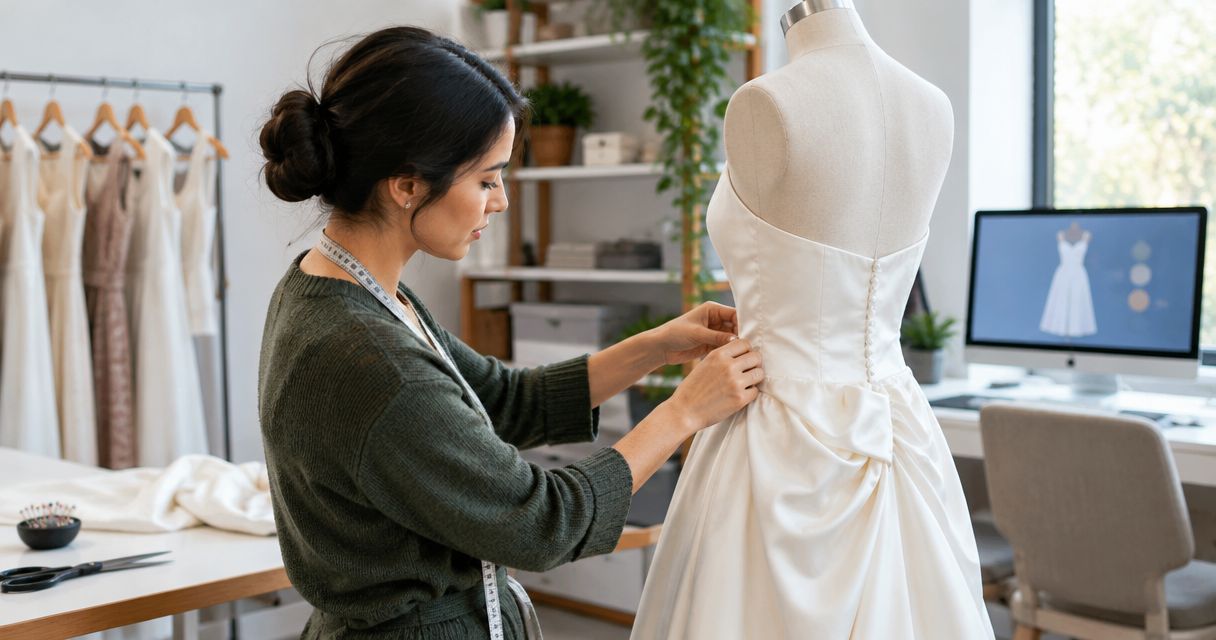
- Bodice structure: Cups, boning, seams, and closures affect how a bodice can be adjusted. Have a qualified alterations professional assess structural changes.
- Existing condition: Inspect closures, seams, embellishments, lining, and the hem. Separate repairs from fitting work so neither disappears inside a vague description.
- Previous alterations: A previously shortened hem or adjusted seam can limit later changes. Ask the alterations professional to examine the garment itself.
- Requested redesign: Added sleeves, a changed neckline, or a different back creates a separate design discussion. Confirm feasibility before treating the change as part of your plan.
Choose a dress you like before redesigning it. If your preferred version requires changing its defining features, compare another silhouette before committing to the work.
How do you build a complete dress budget?
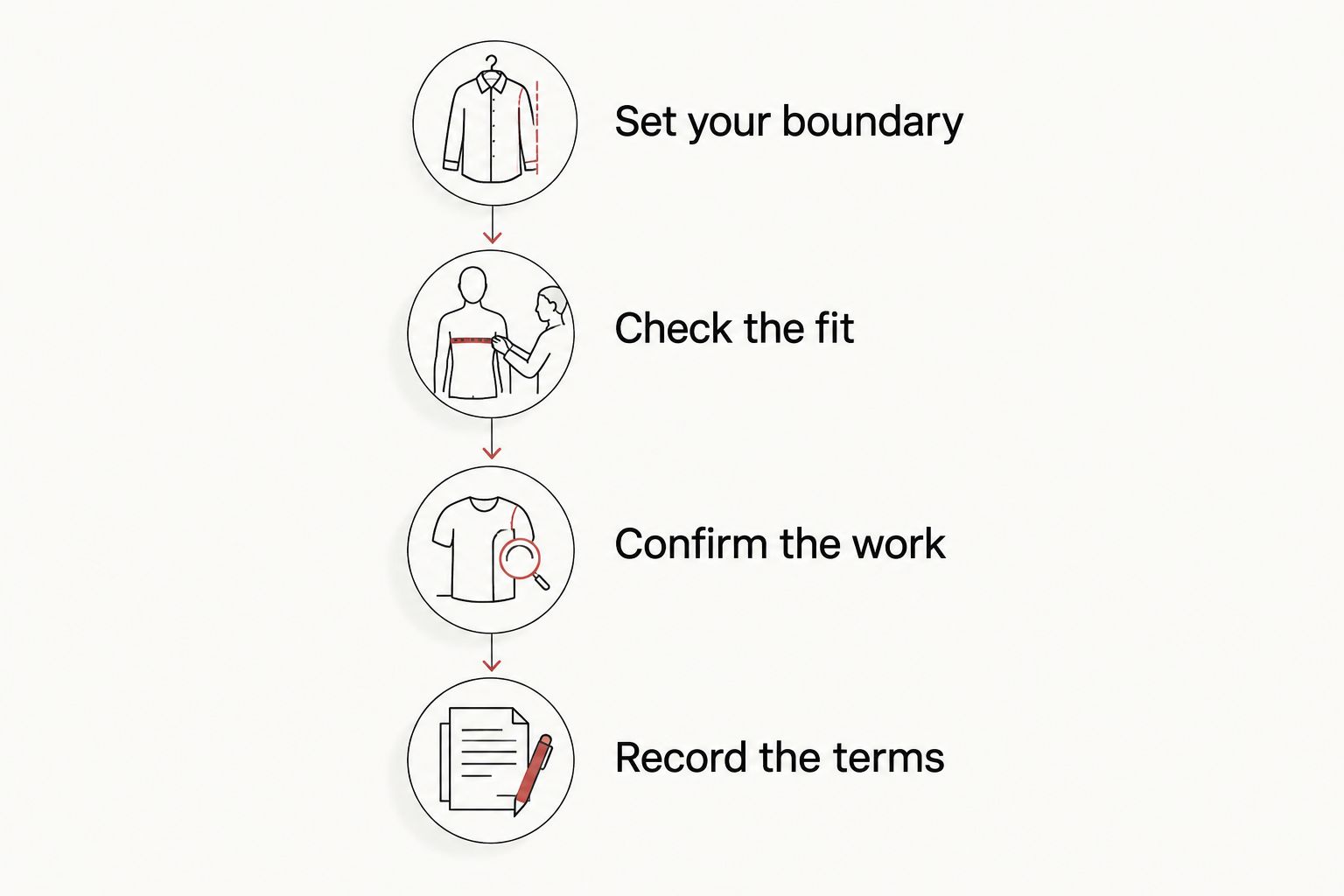
Use this sequence during your appointment. It keeps the decision focused on the actual gown and gives you a written basis for comparing alternatives.
1. Set your boundary
Tell your stylist whether your spending limit covers only the gown or the complete outfit. Include the alterations and accessories you intend to pay for from that same budget.
You do not need a detailed sewing plan at this point. You do need a clear distinction between money reserved for the dress and money reserved for making it wearable.
2. Check the fit
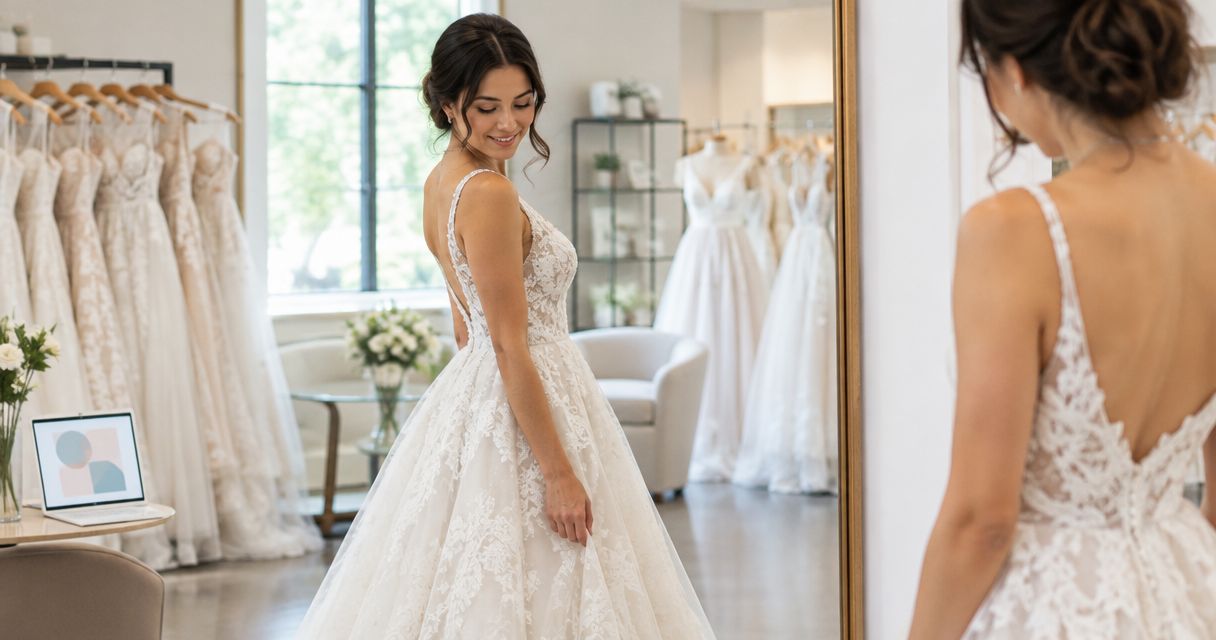
Try sitting, walking, and raising your arms within a comfortable range. Notice slipping straps, pressure at the waist, pulling seams, and fabric that restricts your movement.
Ask how the gown would fit without temporary clips. A clipped try-on helps you see shape, but the alteration assessment must address the garment's actual construction.
3. Confirm the work
Request a written description of necessary adjustments, repairs, and optional changes. Ask who will perform the work and how you will approve changes to the original scope.
For a closer look at the process, read the off-the-rack to tailored-fit workflow. Use it to prepare questions, then let the assessment of your gown determine the work.
4. Record the terms
Before committing, review the purchase terms and ask which services are included. Keep the gown description, alteration scope, and agreed responsibilities together.
If a change remains unassessed, do not treat it as settled. Decide whether you would still want the gown if that particular change were not practical.
What should you inspect before buying the dress?
Inspect the actual gown you intend to purchase, not just another dress in the same style. Work from the neckline down to the hem, then check the lining and closures.
A useful inspection covers 4 areas:
- Fabric: Look for marks, pulls, snags, and changes in texture. Ask about any area that concerns you rather than assuming cleaning will resolve it.
- Construction: Check seams, fastenings, straps, and visible support elements. Ask an alterations professional about anything loose, distorted, or uncomfortable.
- Embellishment: Examine lace, beads, buttons, and appliqués. Confirm which repairs, if any, belong in the written work description.
- Movement: Walk, turn, and sit in the gown. Ask how the hem and train will be managed during the parts of your wedding that involve movement.
This is not a search for a flawless garment at any cost. It is a way to understand what you are choosing and avoid confusing an unassessed issue with a simple fix.
Is an off-the-rack dress cheaper than an ordered gown?
Off-the-rack is a purchase format, not proof of a lower total. Compare the specific dresses and their fitting requirements rather than assuming one category wins on cost.
A gown needing substantial changes presents a different commitment from one that already suits your proportions. The same principle applies to an ordered gown: confirm what fitting work remains separate from the purchase.
For your 2026 comparison, use matching categories on both sides. Include the gown, necessary alterations, any repairs, and the optional changes you actually want; leave unrelated accessories out of a dress-only comparison.
Can you skip alterations on an off-the-rack wedding dress?
You can skip alterations when the gown already fits securely, comfortably, and appropriately for your planned shoes and movement. Do not decide from the size label alone.
Check the neckline, bodice, waist, straps, and hem with the items you intend to wear underneath. If an area needs adjustment, ask for an assessment rather than trying to solve it through posture or constant readjustment.
Some dresses need only focused changes; others require more involved work. Keep the necessary fit adjustments separate from optional styling changes so you can make each decision deliberately.
How do you choose a boutique for this decision?
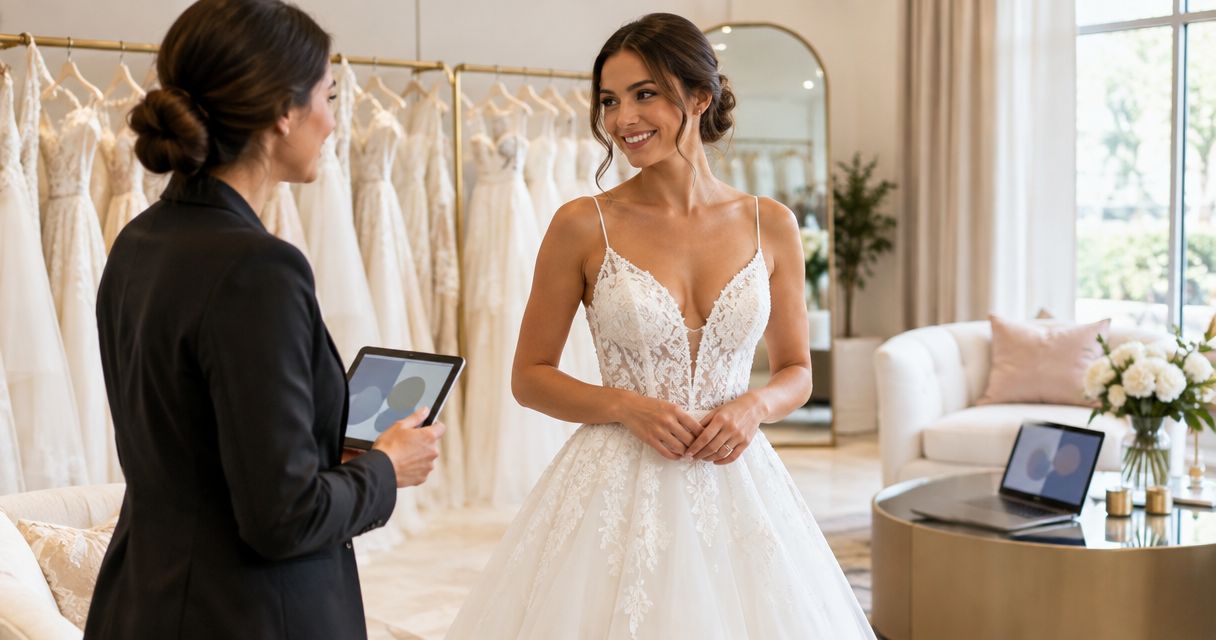
Choose a boutique where you can discuss fit, condition, and purchase terms clearly. A personal appointment is useful when you have questions about how a particular gown feels and what you want from the finished look.
Lucy Pearl Bridal is best for San Diego brides seeking a bridal boutique with private shopping appointments and alterations. Those services make it a relevant place to discuss both the gown and its fit; they do not establish that alteration work is included in a gown purchase.
Ask Lucy Pearl Bridal about the specific gown, the assessment process, and which services are quoted separately. Confirm off-the-rack purchase arrangements directly rather than assuming every wedding gown follows the same process.
Plan Your Bridal Appointment
Discuss wedding gowns, private shopping appointments, and alterations in San Diego.
FAQ
How do I work out my off the rack wedding dress cost in 2026?
Work out your off the rack wedding dress cost by combining the gown quote with assessed fitting work and any optional changes you approve. Confirm what is included before comparing that total with another dress.
Does an off-the-rack wedding dress include alterations?
Do not assume an off-the-rack wedding dress includes alterations. Ask the seller to identify included services in writing and obtain a separate work description for anything additional.
Is an off-the-rack wedding dress always a sample?
No, off-the-rack and sample describe different things. Off-the-rack refers to buying an existing gown, while sample refers to a garment used for try-ons or display; a dress can be both.
Can a wedding dress be made larger during alterations?
Whether a wedding dress can be made larger depends on its construction, available seam allowance, and previous alterations. Have an alterations professional inspect the actual gown before buying it on that assumption.
Should I buy my wedding shoes before the hem fitting?
Bring the shoes you intend to wear to the hem fitting so the length can be assessed with that heel height. Tell the alterations professional if you plan to change shoes during the wedding.
What should I ask Lucy Pearl Bridal before an appointment?
Ask Lucy Pearl Bridal about wedding gown shopping, private appointment arrangements, and how alterations are assessed. Explain your overall dress budget and confirm which services are separate from the gown purchase.
Can I assume marks on a sample gown will come out?
No, do not assume a mark will disappear with cleaning. Ask for an assessment before purchasing and decide whether you would accept the gown if the mark remained.
One last thing
Before saying yes, ask: Would I still choose this gown if my optional redesign were not possible? That question separates loving the dress in front of you from loving an imagined version.
For a 2026 wedding, make the final decision with the gown's condition, fitting needs, and written terms in view. A clear plan lets you enjoy the dress without leaving its most important details unresolved.