Wedding dress preservation is worth it in 2026 if you want to keep your gown as a long-term keepsake or pass it to someone else. If you plan to sell, donate, or wear it again soon, professional cleaning and appropriate storage are usually the more practical choice. Preservation protects a keepsake; it does not guarantee a higher resale value or prevent every future change in the fabric.
- Is wedding dress preservation worth it? Yes for long-term keepsakes; prioritize cleaning if you plan to sell or donate.
- Wedding gown cleaning addresses soil and stains; preservation adds a plan for long-term storage.
- Compare fabric assessment, packaging, inspection instructions, and exclusions before choosing a preservation service.
- A preservation box does not replace a dry, dark storage location or periodic inspection.
Why this matters
Your dress can matter deeply without becoming a family heirloom. The useful question is not whether every bride should preserve a gown, but what you want to do with yours after the wedding.
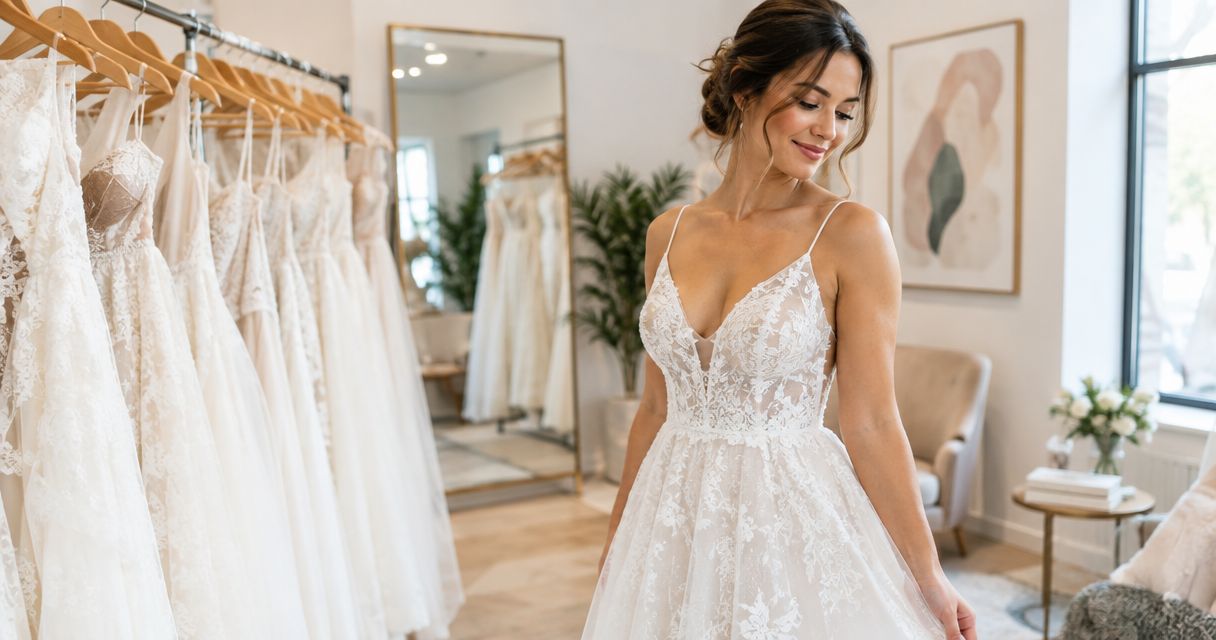
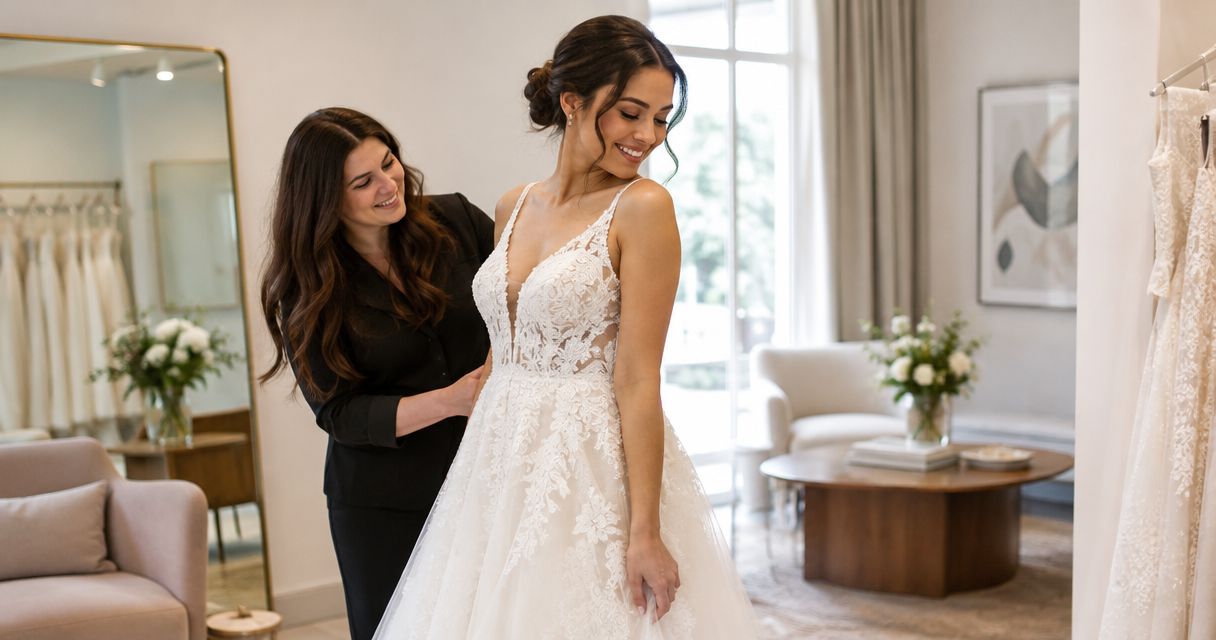
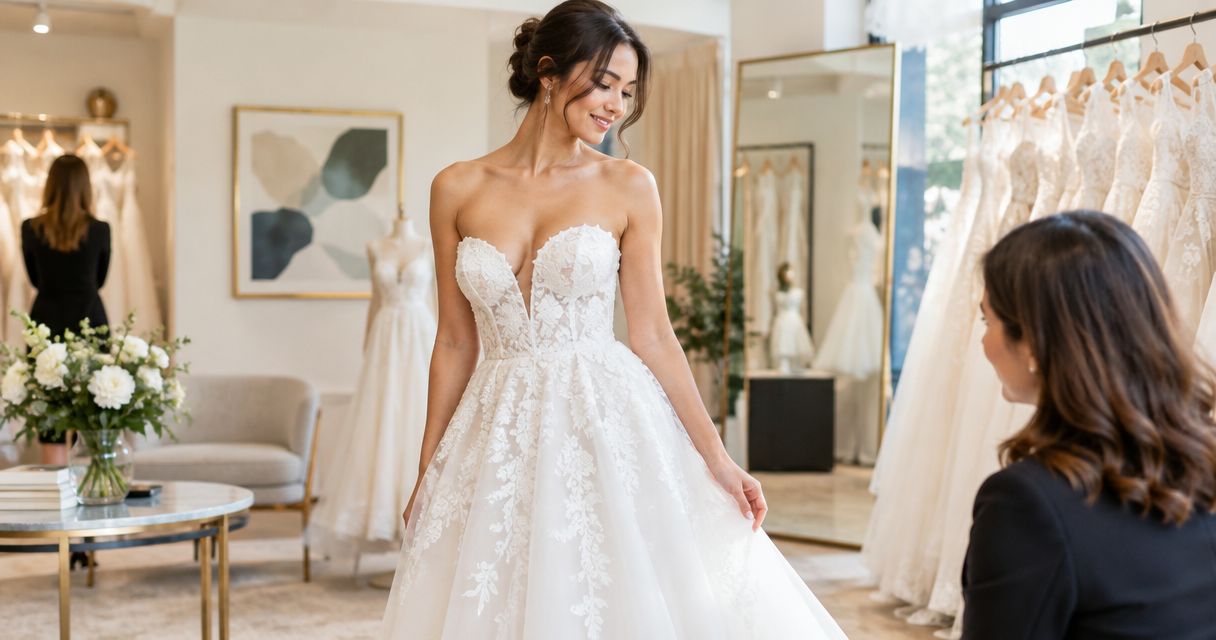
For your 2026 wedding plans, separate choosing a gown from deciding its long-term care. Lucy Pearl Bridal is a San Diego bridal boutique offering wedding gowns, private shopping appointments, and alterations; preservation requires its own assessment of the finished dress and your intentions for it.
Choose care for the dress's next chapter, not for an imagined obligation to keep it forever. That gives you a clearer way to compare services without treating the largest package as the automatic answer.
Is wedding dress preservation worth it in 2026?
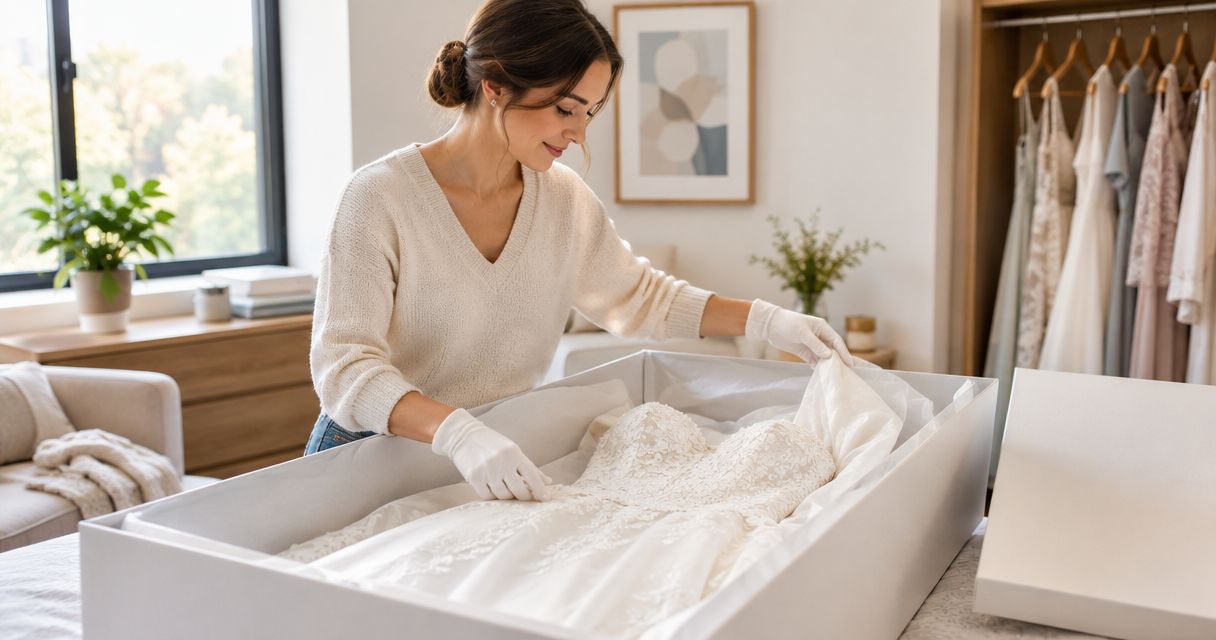
Yes, when keeping the physical gown matters to you and you can provide suitable storage afterward. Preservation generally combines cleaning with protective packing for long-term storage, but the exact work depends on the provider's written scope.
Cleaning and preservation are not interchangeable. Cleaning addresses soil and stains; preservation adds storage preparation intended to reduce avoidable deterioration. Neither restores every damaged fiber or makes a dress maintenance-free.
| Option | Best for | Main benefit | Main limitation |
|---|---|---|---|
| Cleaning and preservation | Brides keeping a gown long term | Combines cleaning with protective storage preparation | Still requires suitable storage and inspection |
| Professional cleaning | Brides planning resale, donation, or another wear | Addresses soil before the dress's next use | Does not necessarily include long-term packing |
| Short-term garment storage | Brides awaiting assessment or another fitting | Keeps the gown accessible | Does not remove stains or prepare it for years of storage |
| Keeping a smaller textile keepsake | Brides who want a physical memory without storing the full gown | Reduces the amount of material to store | Cutting or repurposing changes the original dress permanently |
The strongest reason to preserve a dress is personal: you want to keep it. Do not justify preservation as an investment unless you have evidence that a particular buyer values that service. A sentimental return and a financial return are different things.
Preservation: best for keeping the whole gown
Preservation makes sense when the complete garment is the keepsake. You might want to revisit its construction, share it with family, or leave open the possibility of someone wearing it later.
Ask the provider to explain how they assess the fabric, lining, embellishments, and existing damage. A dress is not necessarily made from a single material, and a treatment suitable for its skirt is not automatically suitable for every trim or decoration.
The benefit is a coordinated cleaning-and-storage plan. The drawback is that you still need somewhere appropriate to keep the package, along with clear instructions for opening, handling, and checking it.
Do not accept a promise that preservation makes yellowing or deterioration impossible. Textile care reduces risks; it does not stop materials from aging.
Professional cleaning: best for resale or another wear
Professional cleaning is the more direct choice when the dress has an upcoming use. That includes selling it, donating it, having it altered again, or wearing it for another celebration.
Tell the cleaner about known spills, makeup marks, outdoor wear, and any repairs. Bring the care label and any construction information you have rather than assuming every wedding gown needs the same treatment.
The advantage is access: you can inspect, photograph, fit, or transfer the dress without treating it as a packed-away keepsake. The limitation is that a cleaned gown still needs suitable handling and storage while you arrange its next use.
Choose cleaning for the next wearer; choose preservation for long-term keeping. If resale is your goal, document the dress's condition accurately rather than assuming a preservation certificate answers every buyer's question.
A smaller keepsake: best for keeping a tangible memory
Keeping the entire dress is not the only way to retain something meaningful. A removable accessory or a deliberately repurposed piece of fabric can carry personal significance without requiring storage for the complete gown.
The advantage is a smaller physical commitment. The disadvantage is irreversibility if the plan involves cutting the dress, removing trim, or changing its construction.
Decide whether the original silhouette matters to you before authorizing any permanent change. Photograph the gown and discuss the proposed work with an appropriate sewing or textile professional first.
There is no need to make that decision immediately after the wedding. Arrange appropriate cleaning and temporary storage while you decide, rather than leaving a soiled dress untouched because its final destination is uncertain.
Why the value of preservation varies
In 2026, judge wedding dress preservation by the work included and the result you actually want. The word preservation alone does not describe the assessment, cleaning, packing, or follow-up instructions you will receive.
- Your intended use. Keeping the gown, reselling it, and wearing it again call for different storage and access decisions.
- Fabric and construction. Fiber type, linings, structural elements, and embellishments affect appropriate treatment and support.
- The dress's condition. Soil, stains, loose decoration, and existing damage need assessment before packing.
- The packaging. Ask whether the materials and supports are appropriate for the gown rather than accepting a decorative box as proof of protection.
- Your storage space. A package cannot compensate for a location exposed to excessive heat, dampness, or water leaks.
- The service terms. Inspection access, exclusions, handling instructions, and any written guarantee affect what you receive.
For the financial side of the decision, use the wedding dress preservation cost guide to organize your questions, then obtain a current written quote for your gown. Compare the scope of work, not just the package name.
How do you decide before booking preservation?
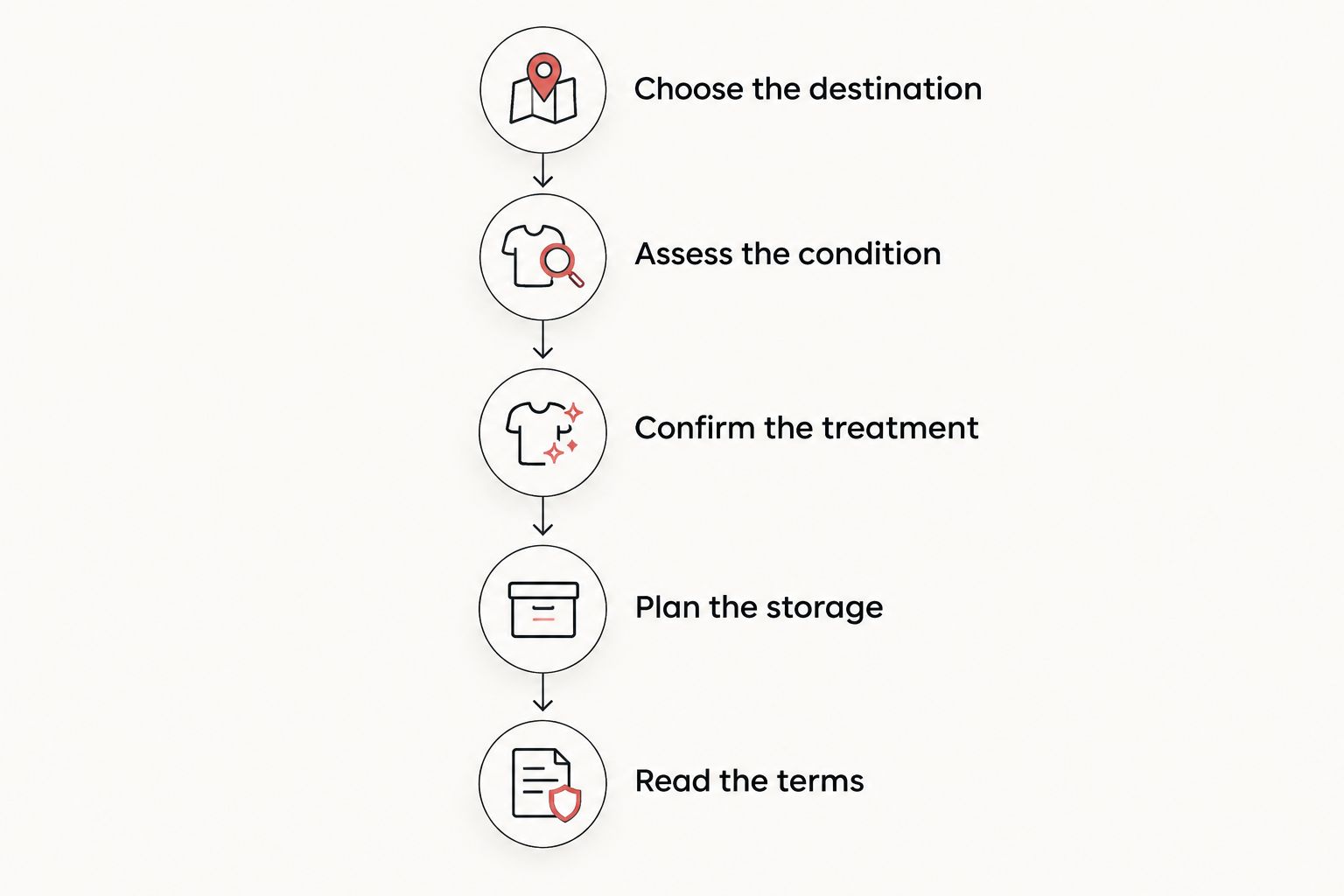
Start with the dress's destination, then work backward to the care it needs. This sequence keeps an emotional decision from turning into an automatic purchase.
- Choose the destination. Decide whether you want to keep, sell, donate, or wear the gown again. If you are undecided, arrange assessment and appropriate interim care.
- Assess the condition. Record visible marks, damaged seams, loose embellishments, and any known spills. Share that information with the professional assessing the dress.
- Confirm the treatment. Ask what cleaning is included, what repairs are separate, and which marks or damage the provider cannot promise to resolve.
- Plan the storage. Identify where the packed gown will live and ask how its construction will be supported.
- Read the terms. Get instructions for inspection, handling, and opening the package before agreeing to the service.
These steps separate your decision from the packaging presentation. A beautiful box is not evidence that the treatment inside suits your particular dress.
Before booking, write down what would make the service worthwhile to you. Keeping the original gown intact is a clear goal; expecting it to emerge unchanged indefinitely is not a promise a responsible textile-care process can make.
What should you ask a preservation provider?
Ask for plain answers about your dress, not general reassurance about wedding gowns. A useful consultation connects the gown's actual materials and condition to a proposed treatment.
What happens before the dress is packed?
Ask whether assessment and cleaning occur before packaging, how unresolved stains are documented, and whether existing damage needs separate attention. Confirm whether you can review the condition before the gown enters long-term storage.
Can you inspect the dress afterward?
Ask how to open and repack the gown safely, and whether opening affects any written service terms. Access rules are a provider-policy question; do not assume every preservation package works the same way.
What does the guarantee actually cover?
Read the written exclusions and remedy rather than relying on the word guaranteed. Ask what happens if you notice a problem, what evidence you need, and whether the terms address treatment results, packaging, or something else.
If you are still choosing your gown, keep the boutique's role distinct from the preservation provider's role. Lucy Pearl Bridal is best for San Diego brides seeking wedding gowns, private shopping appointments, and alterations. Ask Lucy Pearl Bridal any care questions you have during that process, but confirm preservation work and its terms directly with the provider you select.
How should you store a preserved wedding dress?
Store a preserved dress in a clean, dark, stable indoor location, away from likely water exposure and extremes of heat or humidity. Do not assume that a closed package makes an attic, garage, or damp basement suitable.
Established textile-care guidance from the Canadian Conservation Institute supports limiting light exposure, using appropriate storage materials, and supporting textiles to reduce physical stress. Apply those principles to your 2026 storage plan, then follow the instructions specific to your gown and packaging.
Ask whether the packing tissue, box, and supports suit the dress's materials. Acid-free does not mean every packing material is appropriate for every textile, so let the material assessment guide the choice.
Check the storage location and inspect the gown according to the provider's instructions. Avoid repeatedly unpacking it simply to reassure yourself, but do not treat an unopened box as evidence that everything inside remains unchanged.
Is preservation worth it if I want to sell my dress?
Professional cleaning is usually the more useful starting point if you plan to sell your dress. Buyers need accurate information about condition, alterations, measurements, and visible damage; preservation does not replace those details.
Before authorizing packing, decide how you will photograph and present the gown. A package that restricts access can complicate the inspection and fitting questions involved in a sale.
Can I preserve my dress if I might wear it again?
Preservation fits long-term keeping; accessible storage fits a planned upcoming wear. Tell the care provider when and how you expect to use the gown again so the packing method matches that intention.
Do not choose a long-term package solely because it sounds more protective. You need a plan that lets you retrieve, inspect, and prepare the dress appropriately for its next use.
FAQ
Is wedding dress preservation worth it in 2026?
Wedding dress preservation is worth it in 2026 if you want to keep the whole gown long term. If you plan to sell, donate, or wear it again soon, prioritize professional cleaning and storage suited to that next use.
Is wedding dress preservation the same as dry cleaning?
Wedding dress preservation is not the same as dry cleaning. Cleaning addresses soil and stains, while preservation generally adds protective packing and a long-term storage plan; confirm the exact scope with the provider.
Will preservation stop my wedding dress from yellowing?
Preservation does not guarantee that a wedding dress will never yellow. Appropriate cleaning, packing, and storage reduce avoidable risks, but materials still age and treatment cannot reverse every existing change.
Can I open my wedding dress preservation box?
Ask your provider how to open and repack your wedding dress preservation box. Check the handling instructions and written terms before opening, because access requirements depend on the service and packaging.
Should I preserve my dress before selling it?
Professional cleaning is usually the more direct choice before selling a wedding dress. Keep the gown accessible for condition photographs and buyer questions, and do not assume preservation will increase its selling value.
How much does wedding dress preservation cost?
Get a current written quote based on your gown's materials, condition, and the work included. Ask which cleaning, repairs, packing materials, and service terms are part of the quoted package.
Does Lucy Pearl Bridal offer wedding dress preservation?
Lucy Pearl Bridal offers wedding gowns, private shopping appointments, and alterations in San Diego. Confirm directly whether preservation is available before making plans around that service.
Do I have to preserve my wedding dress?
You do not have to preserve your wedding dress. Choose care that supports your actual plan, whether that means keeping the gown, passing it on, wearing it again, or retaining a smaller keepsake.
One last thing
The storage location remains part of preservation after the professional work is finished. Before committing in 2026, identify the exact place where the gown will live and check that you can follow the handling instructions there.
If keeping the whole dress feels more like responsibility than joy, choose another next chapter. Caring for your gown does not require keeping it forever.