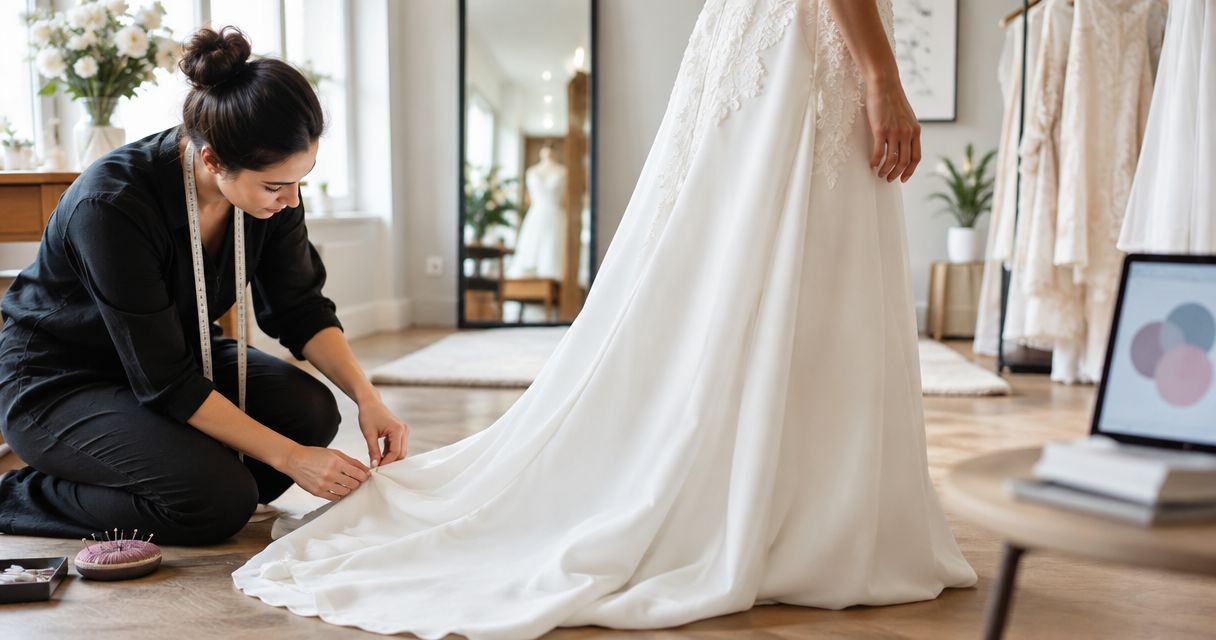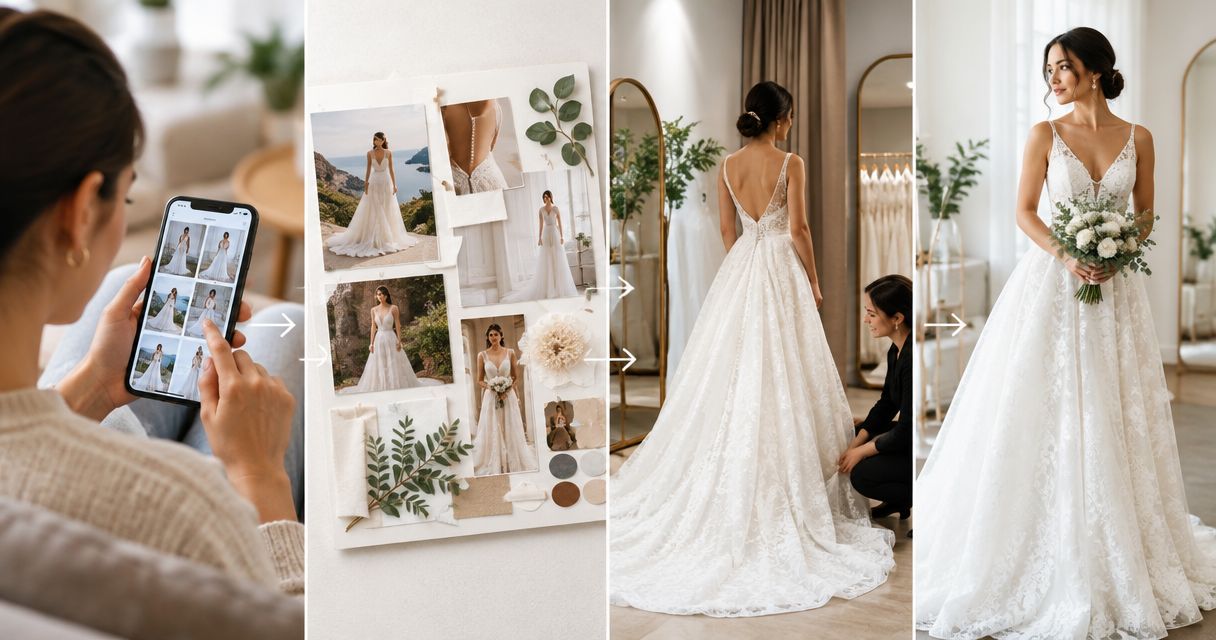
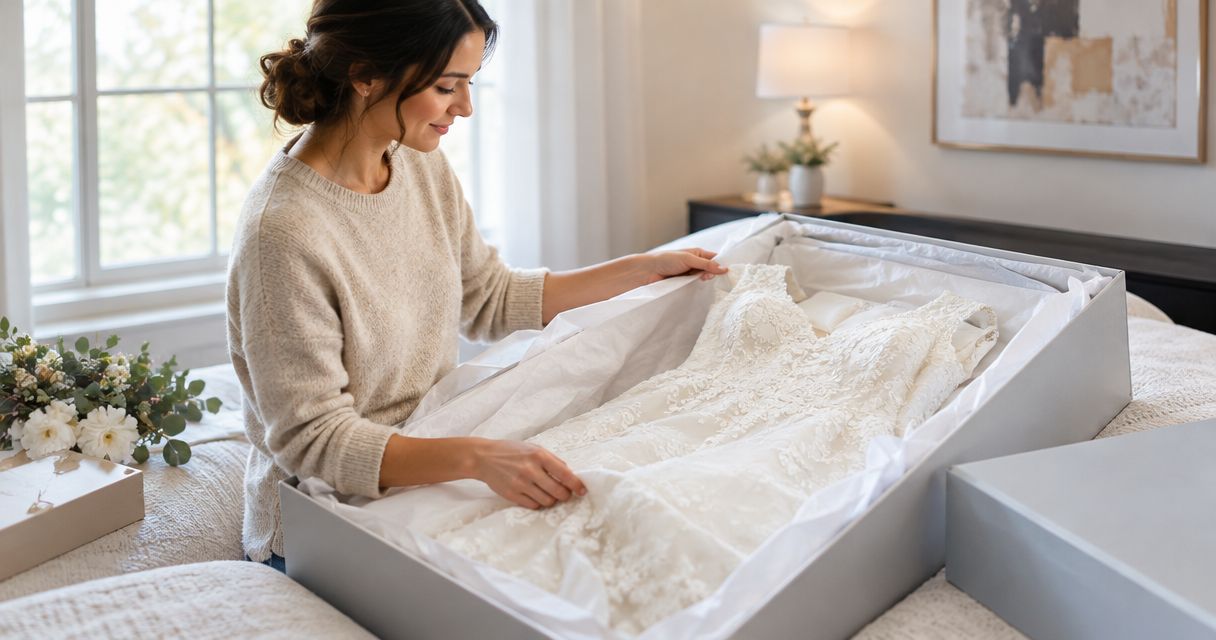
Wedding dress preservation cost in 2026 depends on your gown’s condition, construction, and the cleaning and storage services included, so get an itemized quote before choosing a provider. Check whether that quote also covers repairs, accessories, shipping, and return packaging. Compare the work included, not just the total: cleaning alone is not the same service as cleaning plus preservation.
- Wedding dress preservation cost depends on the gown and the quoted scope; compare itemized services before booking.
- Wedding dress cleaning removes soil; preservation also addresses packaging and long-term storage.
- Choose cleaning for a gown you plan to wear or sell; consider preservation for long-term keeping.
- Ask about repairs, accessories, shipping, inspection, and storage instructions before handing over your dress.
Why this matters
Your plans for the dress should determine the service you buy. A gown headed for resale needs a different decision from one you want to keep as a family keepsake.
Preservation also belongs in your overall wedding wardrobe plan, rather than becoming an unexpected task after the celebration. The guide to wedding dresses for budget-conscious brides covers the shopping side; here, the focus is on deciding what care your dress needs afterward.
How much does wedding dress preservation cost in 2026?
A useful preservation quote identifies the gown, its condition, the treatment proposed, and the packaging included. A headline amount without that scope does not tell you whether competing services cover the same work.
Ask each provider to separate these parts of the estimate:
| Quote component | What to confirm | Why it matters |
|---|---|---|
| Assessment | Whether the provider examines the actual gown before confirming the work | Fabric, trim, and damage affect treatment decisions |
| Cleaning | Whether the service includes stain assessment and treatment | Packaging does not remove soil |
| Repairs | Whether loose trim, tears, or damaged fastenings are included or quoted separately | Cleaning and repair are different tasks |
| Preservation packaging | Which materials support and enclose the gown | Packaging affects how the dress is stored |
| Accessories | Whether a veil, overskirt, or other pieces are included | Separate pieces need their own assessment |
| Transport | Whether outbound shipping, return shipping, and transit protection are included | A service quote and a delivered total are not necessarily identical |
For a 2026 booking, request written terms that apply to your dress. Ask whether the estimate is provisional until inspection, and whether the provider needs your approval before adding work.
Do not treat a service name as a complete specification. Ask what happens to the gown, who performs the work, and what you receive when it comes back.
Cleaning, preservation, or specialist assessment?
The right choice starts with your intention for the gown. These are different routes, not interchangeable versions of the same service.
| Route | Best for | Main benefit | Limitation |
|---|---|---|---|
| Professional cleaning | Brides preparing a gown for another wear, donation, or resale | Addresses soil and stains before the next use | Does not automatically include long-term storage packaging |
| Cleaning with preservation packaging | Brides keeping a gown as a keepsake | Combines cleaning with a storage plan | Does not make the gown immune to aging or poor storage conditions |
| Textile conservator assessment | Owners of fragile, historic, or deteriorating gowns | Prioritizes the condition and stability of vulnerable materials | The treatment goal can differ from restoring a newly worn appearance |
Professional cleaning: best for another wear or resale
Choose cleaning when the immediate goal is to make the gown ready for its next chapter. Tell the cleaner whether you intend to wear, sell, or donate it, and disclose stains or damage you know about.
The advantage is a service aligned with near-term use. The limitation is that you still need appropriate storage afterward; a cleaned gown is not protected from moisture, light, or damaging handling simply because it has been cleaned.
Cleaning with preservation packaging: best for keeping the gown
Consider preservation when you want to keep the dress for the long term. Ask how the provider supports folds, protects embellishments, and explains future inspection or handling.
The benefit is a coordinated cleaning and storage approach. The drawback is that packaging can make casual access less convenient, and the gown still needs a suitable place in your home.
Textile conservator assessment: best for fragile heirlooms
For a dress with brittle fabric, splitting silk, unstable decoration, or significant age-related deterioration, ask a textile conservator about assessment before authorizing routine cleaning. Treatment should respond to the material’s condition rather than an expectation that every mark must disappear.
This route puts preservation of the textile first. Its limitation is equally important: protecting a fragile gown and making it wearable are not always compatible goals.
Why wedding dress preservation quotes vary
The following factors help explain differences in scope. Ask the provider to identify which apply to your gown rather than assuming every dress needs every treatment.
- Fabric and construction. Fiber content, linings, layers, and the way the gown is assembled affect how it can be handled and cleaned.
- Embellishments. Beading, sequins, lace, and attached decorations require attention to their materials and attachment methods.
- Soil and stains. Hem dirt, makeup, food, and drink marks need assessment; different stains do not all respond to the same treatment.
- Existing damage. Tears, loose seams, and detached trim raise a separate repair question before the gown is packaged.
- Service scope. Accessories, transport, packaging, and follow-up terms change what you are comparing, even when the service names sound alike.
A detailed gown is not a reason to accept an unexplained surcharge. Ask which feature requires additional work and what that work involves.
Likewise, a simple-looking gown does not justify skipping inspection. A plain surface can still carry stains or damage that need attention.
How do you compare preservation quotes fairly?
Use the same description of your dress and the same intended outcome with each provider. For 2026 comparisons, keep the written scope alongside the estimate so you can distinguish a difference in service from a difference in wording.
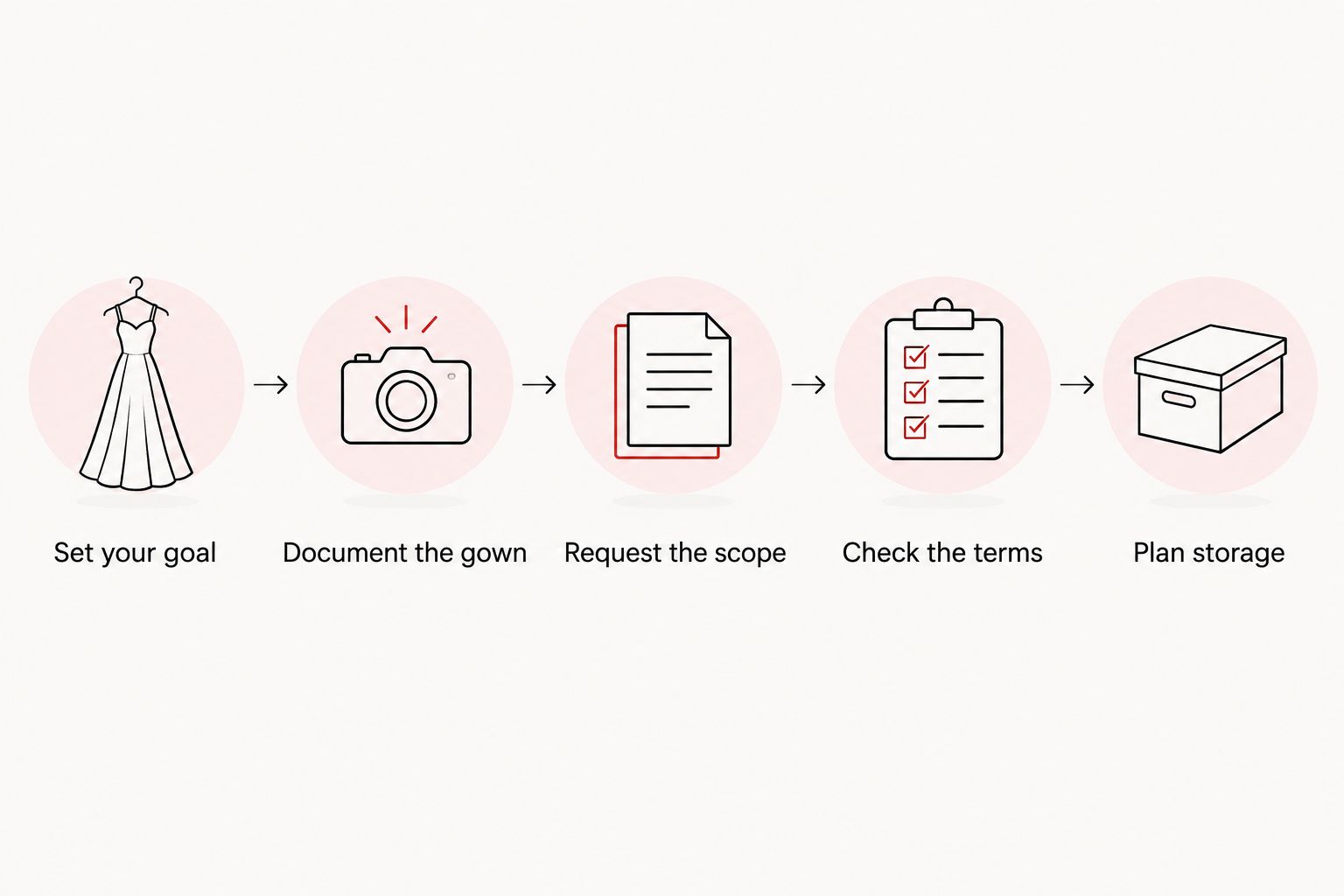
- Set your goal. Decide whether you plan to wear, resell, donate, or keep the gown. Explain that goal before asking for treatment recommendations.
- Document the gown. Photograph the front, back, hem, closures, and any known stains or damage. Keep photographs of the care and fiber labels, too.
- Request the scope. Ask what cleaning, repairs, accessories, packaging, and transport the estimate includes. Confirm which items require separate authorization.
- Check the terms. Read the inspection, damage, claims, and guarantee language. Ask what happens if the provider cannot safely treat a stain or decoration.
- Plan storage. Confirm the handling instructions and choose a suitable location before the gown returns. The box is only part of the care plan.
Keep the original estimate and your approval messages together. If the provider finds additional damage after receiving the dress, ask for an explanation of the proposed change before authorizing it.
Choose the provider who explains the treatment clearly, not the one who makes the broadest promise. A written limitation is more useful than an assurance that leaves you guessing what happens if a problem appears.
Is wedding dress preservation worth it if you plan to sell?
Preservation is not automatically the right next step for a gown you intend to sell. Ask what cleaning and presentation the resale route requires before paying for packaging that will be opened for photographs, inspection, or fittings.
Cleaning can support an accurate presentation of the gown’s condition. It does not erase the need to disclose remaining marks, alterations, repairs, or damage to a buyer.
If resale is your plan in 2026, settle that plan before approving a long-term storage package. The purpose is to prepare the dress for its next owner, not to package it for an outcome you do not want.
Does wedding dress preservation include alterations or repairs?
Do not assume preservation includes alterations or repairs. Ask for those tasks to be listed separately, including any work needed to stabilize loose trim or damaged seams before storage.
Alterations change fit or design; repairs address damage. Preservation addresses care and storage, so the provider should explain where those services meet and where they remain separate.
Lucy Pearl Bridal is best for San Diego brides seeking wedding gowns, private shopping appointments, and alterations. Those services support choosing and fitting a dress; confirm preservation arrangements separately rather than treating them as part of an alterations appointment.
Can you store a wedding dress yourself instead?
You can take responsibility for storage, but buying a box does not replace cleaning or material assessment. Follow the gown’s care guidance and ask a qualified professional about suitable materials when the fabric or decoration is uncertain.
For textile storage, established museum-care guidance favors protection from light, moisture, pests, and unnecessary handling. Avoid pressing a dress into a container that forces sharp folds or crushes decoration.
If you choose professional preservation, ask for the same practical guidance. You should know where to place the package, how to handle it, and what signs would justify further inspection.
Questions to ask before handing over your gown
Bring these questions to the appointment or include them in your written inquiry. They turn a general service description into a decision you can understand.
- Will you inspect this gown before confirming the treatment?
- What stains or materials present particular risks?
- Who performs the cleaning, and where does the gown go?
- What requires my approval after the initial estimate?
- Can I inspect the dress before final packaging?
- What does the guarantee cover, and what does it exclude?
- What instructions apply if I open the package later?
- How should I report a problem after return?
For your 2026 paperwork, keep a copy of the provider’s answers rather than relying on a conversation you will need to remember later. Clear instructions help you care for the gown after the service ends.
FAQ
What should a wedding dress preservation quote include?
A wedding dress preservation quote should identify the cleaning, packaging, and any additional work included. Ask whether repairs, accessories, shipping, and transit protection are separate, and whether the estimate changes after inspection.
Is wedding dress cleaning the same as preservation?
Wedding dress cleaning is not the same as preservation. Cleaning addresses soil and stains; preservation also addresses packaging and long-term storage, so compare the actual service scope.
Should I clean my wedding dress if it looks clean?
Have the gown assessed rather than using appearance alone to decide. Tell the professional about spills, outdoor wear, and makeup contact, including marks you cannot easily see.
Can every stain be removed from a wedding dress?
Do not assume every stain can be removed safely. The fabric, decoration, stain, and gown condition affect treatment, and the provider should explain limitations before you authorize the work.
Does preservation stop a wedding dress from aging?
Preservation does not make a wedding dress immune to aging. Suitable packaging and storage support care, but the materials and the conditions in your home still matter.
Can I open my preserved wedding dress box?
Follow the provider’s written handling and guarantee instructions before opening a preserved wedding dress box. Ask how to inspect the gown safely and whether opening or repacking affects the service terms.
Should I preserve my veil with my wedding dress?
Ask the provider to assess the veil separately before including it with the dress. Its fabric, trim, and condition can require different handling, and inclusion should be clear in the quote.
One last thing
Tell the cleaner about spills even when the marks have disappeared. Stain history gives the person assessing your gown information that a quick visual check does not provide.
Before handing over the dress, write down what you remember and point out affected areas. That small preparation makes the conversation about your actual gown—not a generic package description.