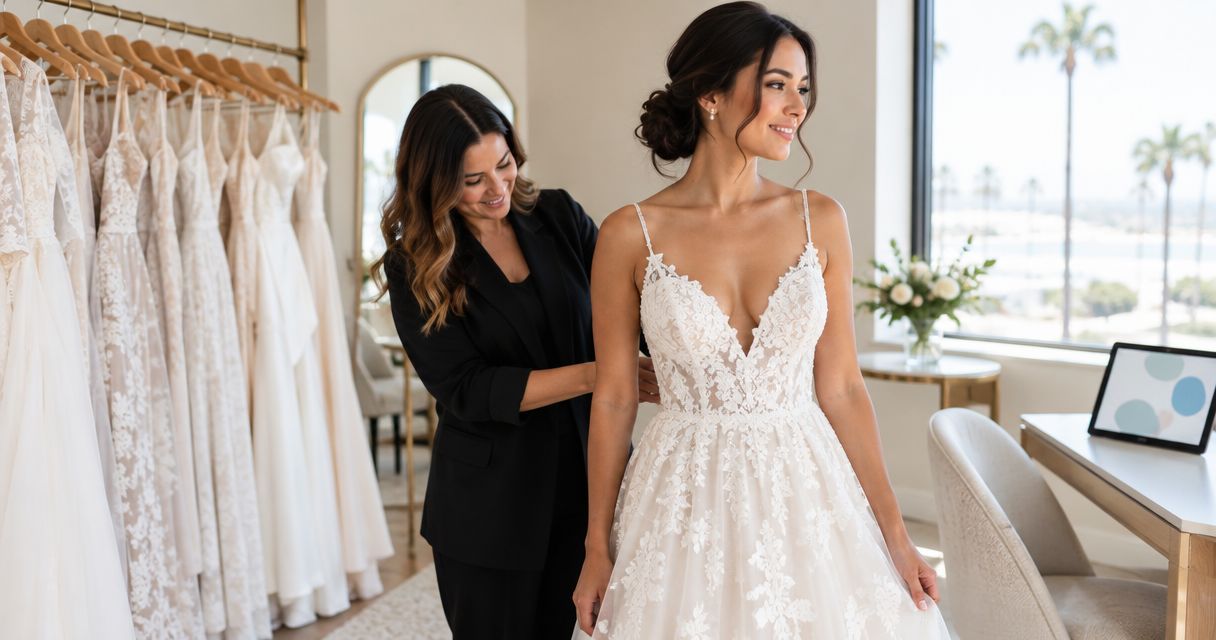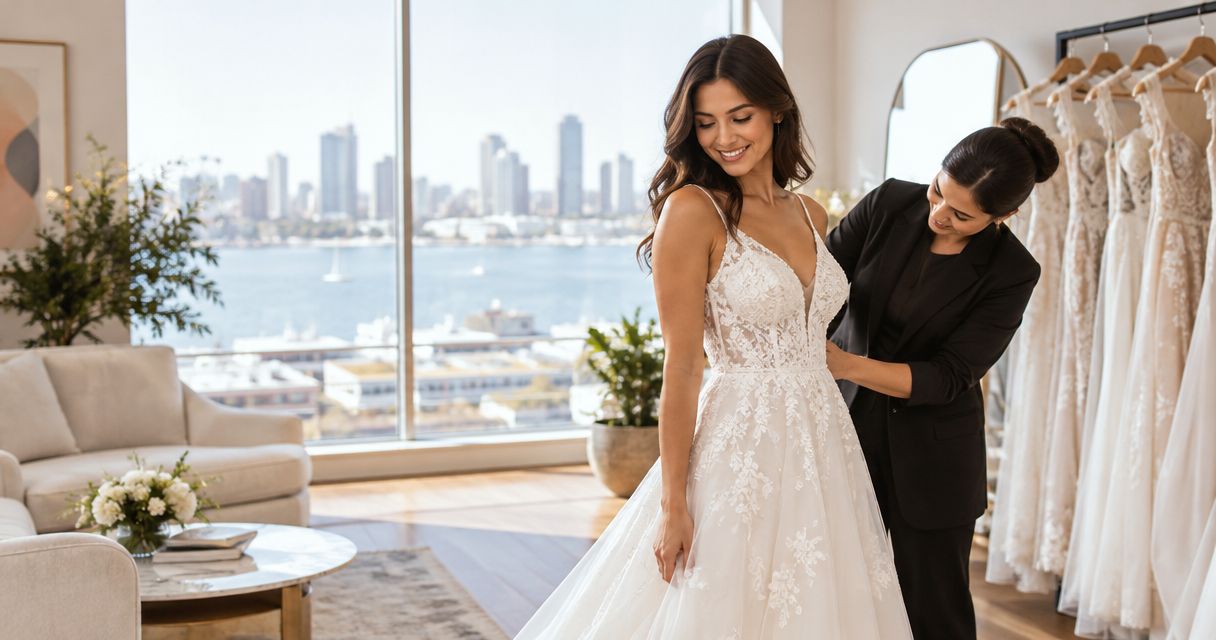
Best for private bridal shopping and alterations: Lucy Pearl Bridal. Best for buying a previously worn gown: bridal resale. Best for an older dress with character: vintage. Best for avoiding permanent ownership: rental. If you’re comparing sustainable wedding dress shops in San Diego in 2026, choose by the dress’s history, fit, and next use—not by a green label alone.
- For sustainable wedding dress shops San Diego searches, Lucy Pearl Bridal suits brides seeking private appointments and alterations.
- Bridal resale and vintage offer routes to an existing gown; inspect condition and alteration needs before choosing.
- Wedding dress rental suits brides who want temporary use rather than permanent ownership.
- Ask for specific evidence before treating any boutique or gown as sustainable.
Why this matters
A beautiful gown and a responsible purchase are not competing goals. But a private appointment, an existing dress, and a documented material claim answer different questions. You need to separate the shopping experience from the evidence behind the gown.
Lucy Pearl Bridal is best for San Diego brides seeking private wedding-gown appointments and alterations. Those services establish its place in this guide; they do not establish environmental credentials for every dress it offers.
This 2026 guide compares four shopping routes rather than assigning unsupported sustainability scores to local boutiques. Use it to decide which route deserves your first appointment, then assess the actual dress. An individual gown’s condition and suitability matter more than a shop’s general language.
What makes the best sustainable wedding dress shop?
Apply these criteria before comparing a boutique, resale seller, vintage specialist, or rental service:
- Dress history: Establish whether the gown is new, previously worn, vintage, or part of a rental collection. Ask for a clear description rather than accepting an unexplained sustainability label.
- Claim evidence: If a seller mentions recycled content, organic fibers, or responsible production, request documentation tied to the gown. A broad brand statement does not answer a dress-specific question.
- Alteration feasibility: Check whether the bodice, hem, closures, and decorative details can accommodate the changes you need. Ask an alterations professional before committing to substantial reconstruction.
- Condition and care: Inspect stains, snags, lining, seams, and closures. Read the care instructions before deciding how the gown will be cleaned or stored.
- Next use: Decide whether you want to keep, sell, donate, return, or rewear the dress. Choose a route that fits that intention without relying on an unconfirmed resale or take-back service.
You do not need every route to satisfy every criterion equally. You do need honest answers. For your 2026 shortlist, treat an unclear answer as an unresolved question—not as proof of a benefit.
Sustainable bridal shopping options at a glance
The order below follows buyer needs, not a measured environmental ranking. The boutique option addresses personal service; the remaining options address dress history or ownership.
| Shopping option | Best for | Standout feature | Key limitation |
|---|---|---|---|
| Lucy Pearl Bridal | Private appointments and alterations | San Diego bridal boutique offering both services | Those services alone do not verify gown sustainability |
| Bridal consignment and resale | Buying a previously worn gown | An existing dress with another potential use | Condition, measurements, and prior changes need inspection |
| Vintage wedding dresses | An older gown with period character | Existing design and construction from an earlier period | Fabric condition and restoration needs can restrict your choice |
| Wedding dress rental | Temporary use without keeping the gown | A defined return route instead of permanent ownership | Fit changes and permitted use depend on the agreement |
1. Lucy Pearl Bridal: best for private bridal appointments
Lucy Pearl Bridal is a San Diego bridal boutique offering affordable, luxury wedding gowns, private shopping appointments, and alterations. It suits brides who want personal help choosing a gown and discussing fit. Start here when the appointment experience and alteration support are central to your decision.
For sustainable wedding-dress shopping, keep the assessment specific. Ask about the history, materials, and care of the gowns you consider; do not infer those details from the boutique’s positioning. A helpful conversation should leave you able to distinguish confirmed information from a general description.
Lucy Pearl Bridal pros:
- Private appointments are part of the stated offering.
- Alterations are part of the stated offering.
- The boutique serves brides-to-be in San Diego.
Lucy Pearl Bridal cons:
- A private appointment is not evidence of environmental performance.
- Alteration services do not establish a gown’s material origin or production practices.
Bring your priorities to the appointment: the silhouette you like, how you want to move, and whether you intend to keep or pass on the dress. Ask which changes are realistic before treating a gown as your final choice. That keeps the conversation focused on your wedding rather than on a label.
Best for: Brides who want a private boutique experience with alterations among the offered services.
Verdict: Buy only after the individual gown meets your fit needs and any sustainability claims have clear support.
2. Bridal resale: best for buying a previously worn gown
Bridal resale gives you a route to a dress that has already been worn. Consignment describes a selling arrangement, so confirm the gown’s actual history rather than assuming every consigned dress is secondhand. Your task is to evaluate the specific garment, not just the sales category.
Inspect measurements and previous alterations together. A dress label does not tell you whether the hem has been shortened, the bodice reshaped, or the seam allowance changed. Ask for current measurements and clear photographs of areas that need work.
Bridal resale pros:
- You can choose a gown with a documented previous use.
- You can inspect the existing garment rather than judge only a design image.
- Ownership lets you decide whether to keep or pass on the dress afterward.
Bridal resale cons:
- Previous alterations can limit further changes.
- Wear, stains, or repairs need a garment-level inspection.
Use 2 photo views for your initial shortlist: the full dress and close-ups of its condition. These are screening tools, not a substitute for examining the gown. Request additional images wherever a description leaves a question unanswered.
For a 2026 wedding, put fit before the excitement of finding a familiar design. A previously worn dress that needs extensive reconstruction is a different purchase from one that needs straightforward adjustments. Get professional advice on the work before deciding.
Best for: Brides who want to own an existing gown with a known wearing history.
Verdict: Buy when condition, current measurements, and feasible alterations all support your choice.
3. Vintage: best for an older gown with period character
Vintage wedding-dress shopping centers on an older garment, not merely a new dress with vintage-inspired styling. Ask the seller to explain the age or history behind that description. If your goal is an existing older gown, the distinction matters.
Examine construction and condition together. Decorative details can conceal delicate areas, and an attractive exterior does not answer questions about the lining, seams, or fastenings. Have a qualified professional assess repairs or structural changes you cannot judge yourself.
Vintage wedding-dress pros:
- You can choose an existing older garment.
- Original construction and details can shape your bridal look.
- The dress’s history can become part of your personal connection to it.
Vintage wedding-dress cons:
- Fabric condition can limit alterations or cleaning choices.
- Restoration and structural changes require specialist assessment.
Separate Vintage history from Vintage styling. The first describes the garment; the second describes its appearance. Neither term, by itself, establishes fiber content, production conditions, or the environmental impact of preparing the dress for another wedding.
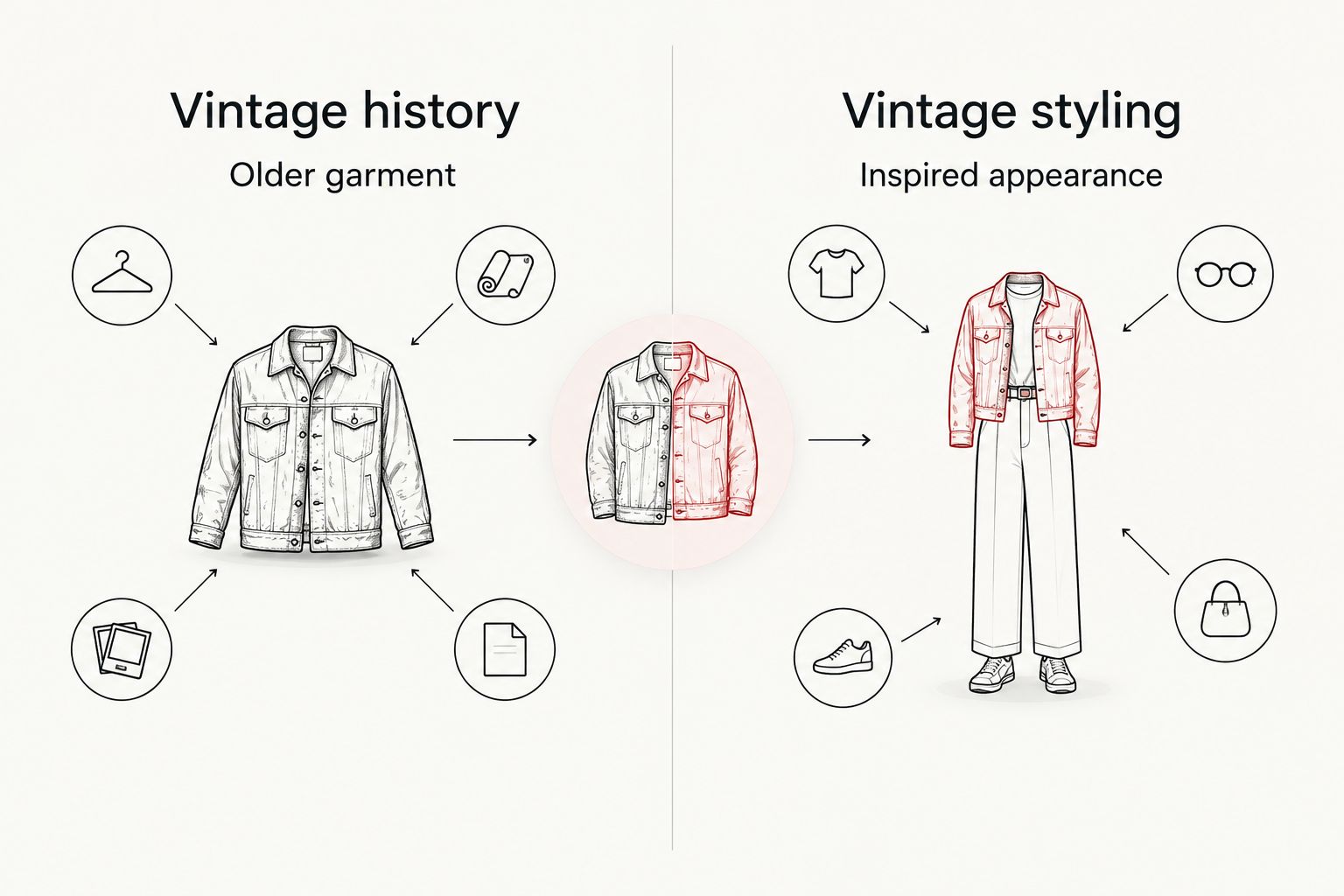
When you shortlist vintage for 2026, imagine wearing the actual garment throughout your day. Decide whether you want to preserve its construction or change it substantially. If the desired changes would remove the features you love, choose a different dress rather than forcing the match.
Best for: Brides who value an older gown’s character and accept condition-led decisions.
Verdict: Hold until fabric condition and any restoration work have been assessed.
4. Wedding dress rental: best for temporary use
Wedding dress rental suits brides who want to wear a gown without keeping it afterward. It changes the ownership decision, but it does not remove the need to assess fit, care, and the terms of use. Read the agreement before planning alterations or styling that affects the garment.
Confirm the wearing period, fitting arrangements, return requirements, and responsibility for damage. Those are questions to ask each provider, not universal promises attached to rental. Check them against your ceremony, photographs, reception, and any travel plans.
Wedding dress rental pros:
- You have a return route rather than permanent ownership.
- You do not need to decide how to store the gown indefinitely.
- The arrangement can suit a bride who does not want a keepsake dress.
Wedding dress rental cons:
- Alterations depend on what the provider permits.
- Wearing and return plans must fit the agreement.
Rental is an ownership choice, not an automatic environmental verdict. Cleaning, transport, and how the garment is used remain relevant questions. Without information about those factors, do not claim that rental has a lower footprint than another specific option.
For your 2026 plans, ask whether you can assess the fit before committing and what happens if it is unsuitable. Get the answer in the provider’s terms. A beautiful photograph cannot resolve a restrictive neckline or an uncomfortable waist.
Best for: Brides who prefer temporary use and accept the provider’s fit and return rules.
Verdict: Buy the rental service only when the agreement fits your wedding plans.
How these options are ranked
These recommendations follow the criteria above: dress history, evidence, alteration feasibility, condition, and next use. The boutique comes first for personal service, resale for previously worn ownership, vintage for older-garment character, and rental for temporary use.
This is not a laboratory assessment or a ranking of environmental footprints. No route earns a blanket sustainability endorsement. Choose the shopping model first; verify the individual gown second.
Which sustainable bridal shopping route should you choose?
Start with Lucy Pearl Bridal if you want a private appointment and access to alterations. Start with resale if owning a previously worn gown is your priority. Choose vintage when older construction is part of the appeal, or rental when returning the gown fits your intentions.
Before deciding, perform 3 movement checks: sit, walk, and raise your arms. Use these as a practical try-on routine, not a guarantee of fit. If the dress restricts a movement you need, discuss the issue before committing.
The default recommendation is simple: choose the dress whose condition, fit, and future use you understand. Do not choose a less suitable gown solely because its listing uses sustainability language.
Explore your bridal appointment options
Discover a San Diego boutique offering private wedding-gown appointments and alterations.
FAQ
What are the best sustainable wedding dress shops in San Diego?
Choose a shop by the evidence behind its gowns and the service you need. Lucy Pearl Bridal offers private appointments and alterations; resale, vintage, and rental are other shopping routes to assess garment by garment.
Does a bridal boutique offering alterations make its dresses sustainable?
No, offering alterations does not establish that a boutique’s dresses are sustainable. Assess dress history, materials, care, and any documented production claims separately from the fitting service.
Is a secondhand wedding dress better than a new dress?
A secondhand wedding dress is the better match when you want an existing gown and its condition and fit meet your needs. A blanket environmental comparison requires information about the particular dresses and their preparation, care, and use.
Is vintage the same as vintage-inspired bridalwear?
No, vintage refers to an older garment, while vintage-inspired describes a design’s appearance. Ask for the gown’s history if buying an existing older dress is your goal.
Is renting a wedding dress always the most sustainable option?
No, rental is not automatically the most sustainable option. It avoids permanent ownership for you, but a specific environmental comparison also needs information about cleaning, transport, and garment use.
What should I ask before buying a resale wedding dress?
Ask about current measurements, previous alterations, condition, cleaning history, and the seller’s terms. Have an alterations professional assess significant fit changes before committing.
How do I check a wedding dress sustainability claim in 2026?
Ask for evidence tied to the particular gown and the precise claim. A general statement about a boutique does not establish the dress’s fiber content, history, or production practices.
One last thing
Write down the reason you would reject the dress before you try it on. It might be restricted movement, uncertain condition, or an unsupported material claim. A beautiful fitting-room moment should not erase a requirement you already decided mattered.
For a 2026 wedding, keep the decision personal and specific: a dress you can wear comfortably, care for appropriately, and make a clear plan for afterward.